Sir Francis Drake, the Elizabethan buccaneer with a knack for plunder, wasn’t just a master mariner. He was also a notorious privateer, amassing a fortune estimated at a staggering $156.3 million in today’s money. The question of where Drake squirreled away this wealth has captivated treasure hunters and historians for centuries. Did he bury it on a remote island? Sink it with a captured Spanish galleon? Or perhaps, as Robert L. Stupack claims, did Drake stash his loot right under the noses of future Californians?
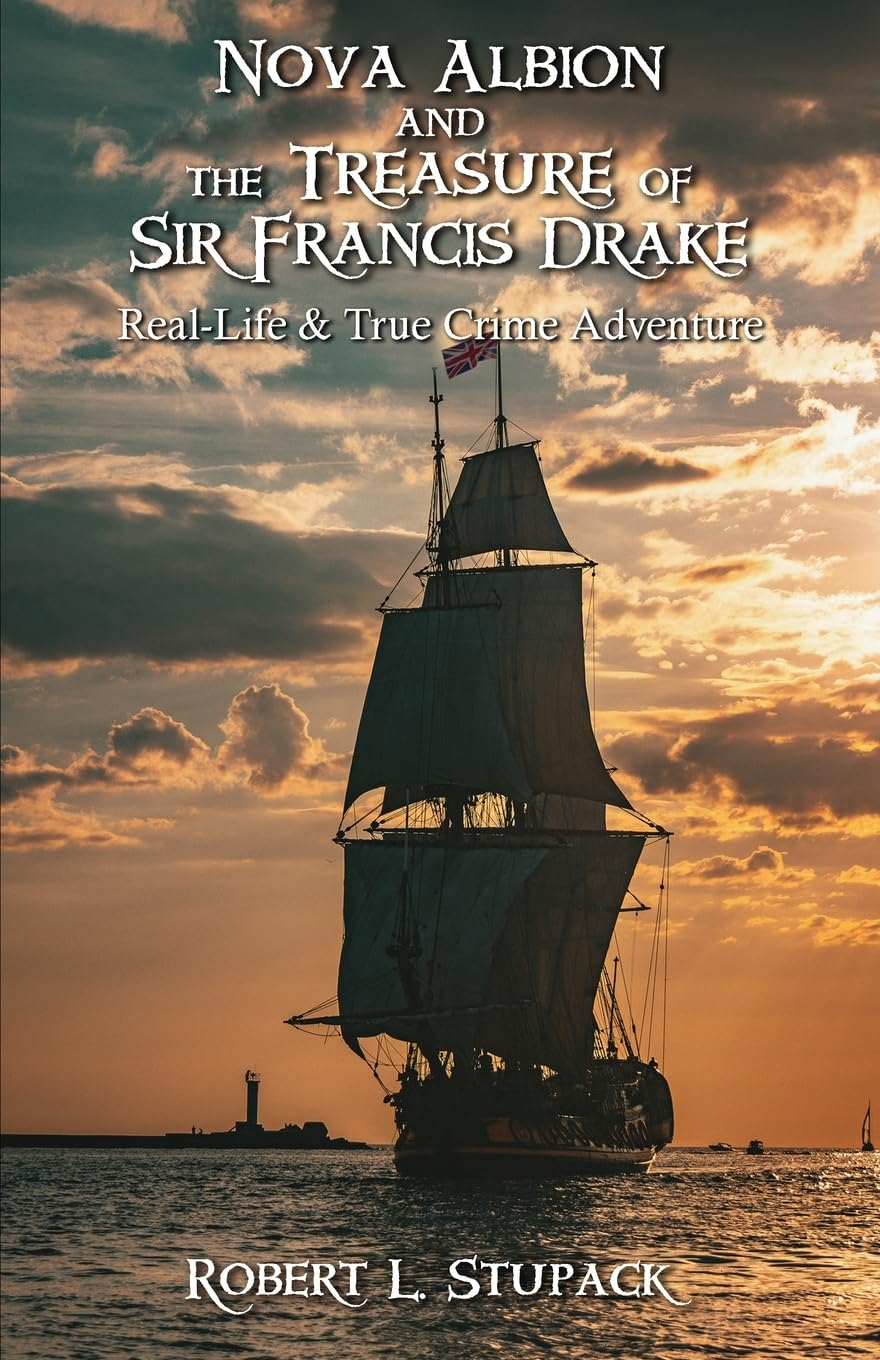
Enter Stupack, a man whose seemingly ordinary backyard in Marin County, California, took a dramatic turn in June 2000. During a routine lawn mowing session, a curious green triangular rock unlike any he’d seen before sparked a fire of curiosity. This discovery, coupled with other peculiarities like strategically placed rocks and barren patches of soil, led Stupack down a rabbit hole of historical intrigue.
But his investigation takes a significant turn when it points towards a hidden passage leading to a cavern. Intriguingly, the cavern wasn’t just any natural wonder. Stupack stated this cavern was utilized by the native Miwok people as their source of water during the long, dry summer and later “borrowed” by Drake’s crew for a far less savory purpose – storing their plunder.
But how did Drake ensure his treasure withstood the test of time? Stupack’s true and amazing account in “Nova Albion and the Treasure of Sir Francis Drake” details an ingenious water system, a marvel of pirate ingenuity. Imagine salvaged cannons repurposed as pipes, channeling spring water through a cement-like material to maintain humidity and prevent precious stones from deteriorating. The final touch? A meticulous backfill of colored clay, effectively concealing the valuables from prying eyes.
However, the story doesn’t end there. Drake, ever the cunning strategist, allegedly employed a network of traps to deter treasure hunters. These “tricks” weren’t your average booby traps. Stupack describes a system of reversed maps and markers designed to mislead intruders, sending them on wild goose chases (or worse). And for those who managed to navigate the false clues, a final, insidious layer of defense awaited – “beautiful, but highly toxic colored clays” that could weaken and potentially incapacitate anyone attempting to enter the hidden chamber.
One particularly captivating element of Stupack’s story is the “Emerald Goddess,” a legendary missing jewel believed to have vanished during the Spanish conquest of Peru. Its alleged presence alongside a mysterious “smiling/frowning ghost image” found on the cavern wall adds fuel to the fire of speculation about potential clues left behind by Drake.
While Stupack’s “discovery” and subsequent book, “Nova Albion and the Treasure of Sir Francis Drake,” make for a thrilling read, the historical accuracy of his discovery and other possible secrets and conspiracies associated with his findings are nothing but fascinating and worthy of attention. Not only does the book narrate each and every aspect of his discovery, challenges, booby traps, and struggles in detail, but it additionally highlights an important fact – a revelation that could change the course of history about Sir Francis Drake’s, Plate of Brass.
While the existence of Drake’s treasure in Nova Albion is fascinating, Stupack’s story can be definitive proof that certainly adds another layer to the riches and the enduring allure of Sir Francis Drake’s lost treasure. Perhaps future excavations or the unearthing of new historical artifacts on his property by the government will shed more light on the truth. Who knows, there is more to excavate to rewrite history?
Get Your Copy On Amazon: www.amazon.com/dp/1917238312